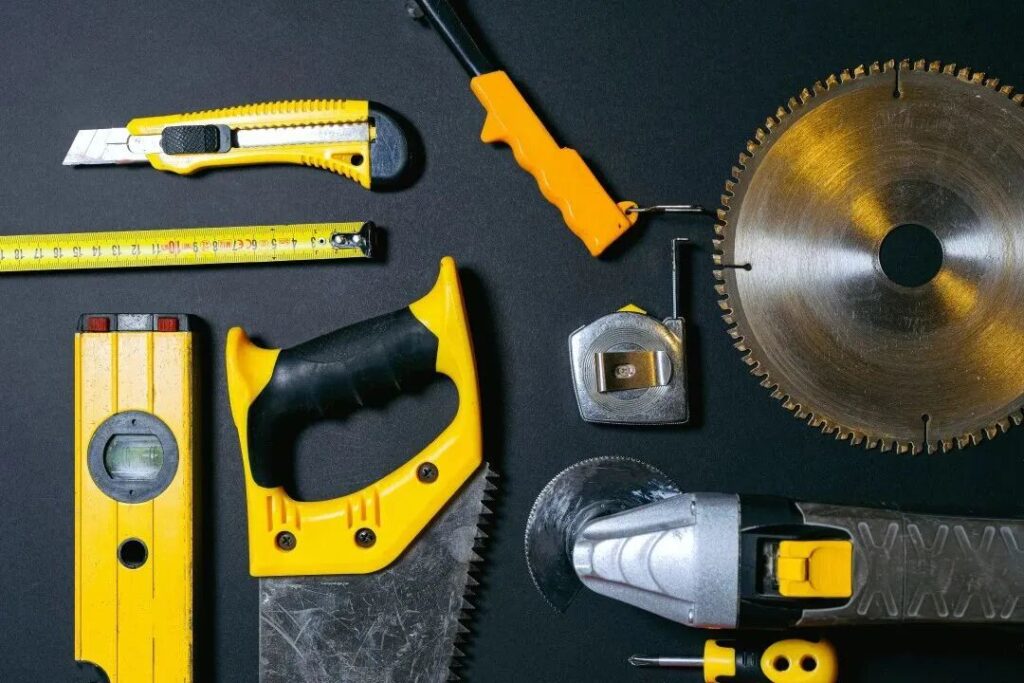
Carbon Steel: “CS” is the designation for carbon steel, formed by the initial letters of the English words. Carbon steel is an iron-carbon alloy; it is also referred to simply as “carbon steel.” Typically, it also contains small amounts of silicon, manganese, sulfur, and phosphorus. Generally, the higher the carbon content in carbon steel, the greater its hardness and strength, though its ductility is correspondingly lower. Based on carbon content levels, carbon steel is classified into high-, medium-, and low-carbon grades; as the carbon content increases, hardness rises while toughness decreases. High-carbon steel is typically used for manufacturing tools due to its high hardness and strength; however, because it lacks toughness, it is generally unsuitable for applications such as screwdrivers (as it is prone to chipping or cracking), yet it is widely utilized as a material for various general-purpose tools, such as wrenches.
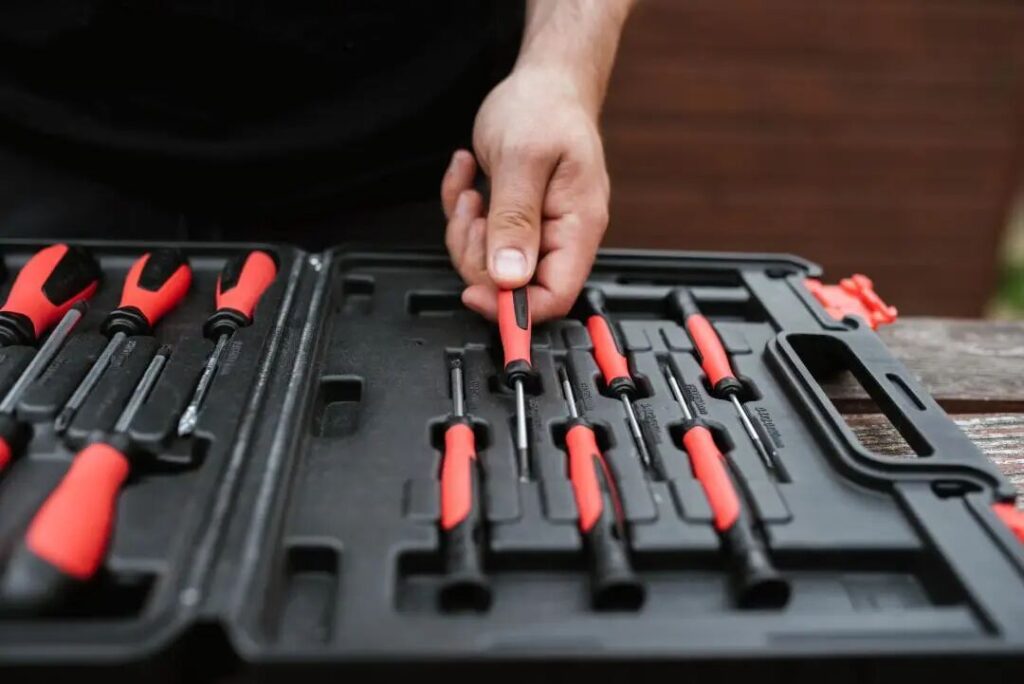
Chromium-Vanadium Steel: Cr-V chromium-vanadium steel is an alloy tool steel enriched with the alloying elements chromium (Cr) and vanadium (V). Its combination of strength and toughness surpasses that of carbon steel, making it an ideal material for manufacturing high-quality tools. It is commonly used in the production of pliers, wrenches, and screwdrivers; manual sockets, in particular, are typically manufactured using 50BV30 chromium-vanadium steel. The primary distinction between chromium-vanadium steel and carbon steel lies in their hardness: after heat treatment, chromium-vanadium steel achieves a hardness of 60 HRC (Rockwell Hardness) or higher. In contrast, the maximum hardness attainable by medium-carbon steel is approximately 55 HRC (538 HB). Furthermore, under specific operating conditions, chromium-vanadium steel exhibits excellent wear resistance, offering superior mechanical properties and greater chemical stability compared to ordinary carbon steel.
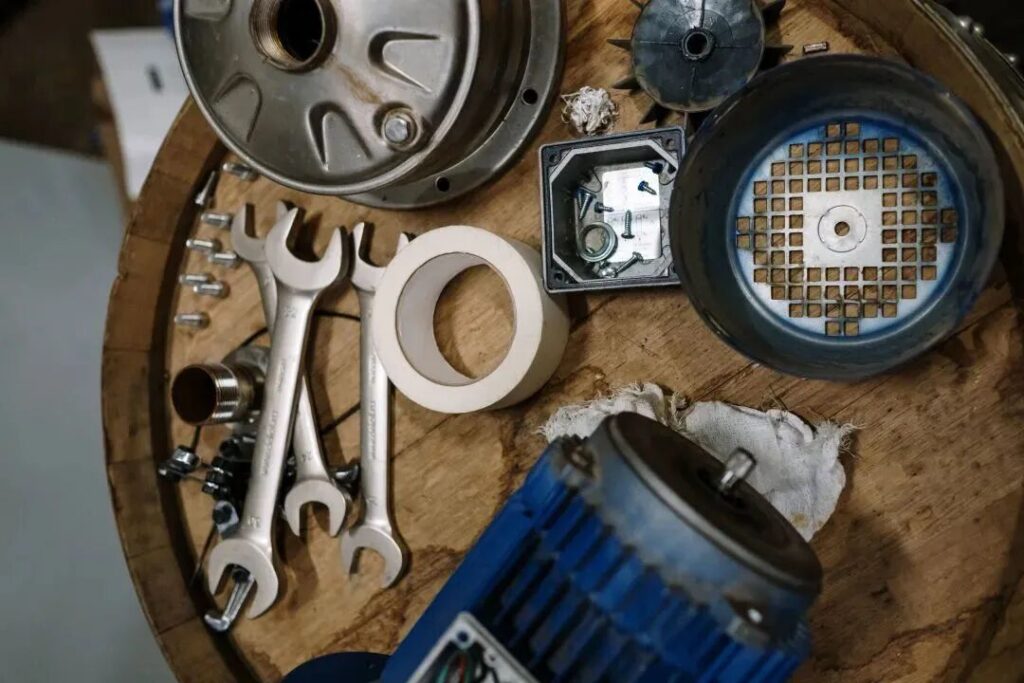
Chromium-Molybdenum Steel: Cr-Mo is an alloy composed of chromium (Cr), molybdenum (Mo), iron (Fe), and carbon (C). It exhibits excellent impact resistance, outstanding strength and toughness, and high resistance to elevated temperatures and pressures; overall, its performance surpasses that of chromium-vanadium steel. It is ideally suited for the manufacture of premium screwdrivers and small hex wrenches. While pneumatic sockets are typically made from 35CrMo chromium-molybdenum steel, this material is relatively expensive.
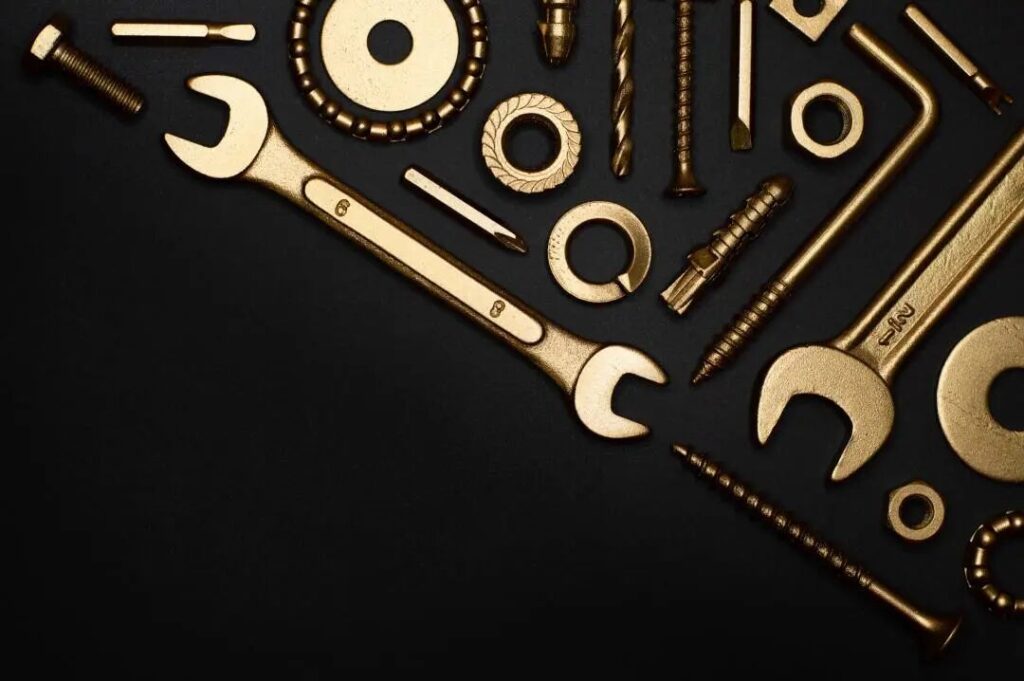
S2 tool steel is an alloy composed of carbon (C), silicon (Si), manganese (Mn), chromium (Cr), molybdenum (Mo), and vanadium (V). It is an exceptional impact-resistant tool steel, distinguished by its superior strength and toughness; consequently, it is widely used in the manufacture of high-strength tools such as screwdrivers and hex keys. While its overall performance surpasses that of chromium-vanadium steel, its practical application in material selection is not as widespread—primarily because it is an imported material. Relatively speaking, S2 tool steel is a superior material choice compared to chromium-vanadium steel. This is because, in actual use—particularly with tools like screwdrivers—the primary issue encountered is tip wear, which leads to “cam-out” (slipping) when tightening screws. The occurrence of such wear and material loss indicates a critical need to enhance the strength of the tool tip—specifically, by ensuring it possesses a relatively higher level of hardness. The typical post-heat-treatment hardness range for S2 steel is HRC 58–62, whereas that of chromium-vanadium steel is HRC 48–52. Both the vanadium and molybdenum content in S2 steel exceed those found in chromium-vanadium steel; as a result, S2 steel demonstrates superior strength and toughness compared to the latter. A higher vanadium content correlates with enhanced toughness, while a higher molybdenum content contributes to greater hardness and strength. Collectively, these characteristics demonstrate that S2 steel is a highly effective material for screwdrivers, offering superior strength and exceptional durability.
Leave a Reply