Uncategorized

News

  • From beginners to automotive repair experts

    Introduction: Why is the 3/8″ Drive Size So Popular?

    Among various tool specifications, the 3/8″ ratchet wrench is widely recognized by professionals and DIY enthusiasts as the “golden middle ground.” It delivers more torque than the 1/4″ size while being more flexible and lightweight than the 1/2″ size, perfectly balancing power and adaptability. This article will delve into the details of this classic tool, helping you understand its applications, technical features, and key purchasing considerations.

    In-Depth Analysis of Technical Specifications

    Drive Size: 3/8 inch (9.525 mm)

    · Torque Range: Typically 15-150 ft-lbs (20-200 Nm)
    · Compatible Sockets: Standard 3/8″ square drive, suitable for most socket sizes in repair scenarios
    · Common Lengths: 6 inches (compact) to 18 inches (extended)

    Core Parameters of the Ratchet Mechanism

    · Tooth Count Options: 36 teeth (10° swing angle), 72 teeth (5° swing angle), 90 teeth (4° swing angle), or higher
    · Reverse Switching: Quick-release lever, dial-type, or knob-type
    · Maximum Torque: Industrial-grade models can reach 150-200 ft-lbs

    Applications and Advantages

    Automotive Repair

    · Engine Bay Work: Spark plugs, ignition coils, various bracket bolts
    · Interior Disassembly: Seat fasteners, trim panels, control modules
    · Suspension Systems: Link bolts, stabilizer bars, some control arms

    Home Repair and DIY

    · Furniture Assembly: Especially suitable for bolts requiring moderate torque
    · Appliance Maintenance: Washing machines, dryers, water heaters
    · Bicycle Repair: From basic adjustments to full overhauls

    Professional Comparison: When to Choose 3/8″ Over Other Sizes?

    · vs 1/4″: When more torque is needed and space permits
    · vs 1/2″: When working in confined spaces or extreme torque isn’t required
    · Unique Advantage: More durable than 1/4″, better suited for medium-space tasks than 1/2″

    Purchasing Guide: 5 Key Factors

    1. Ratchet Tooth Count – Balancing Precision and Strength

    · High Tooth Count (72+): Ideal for tight spaces and fine adjustments
    · Standard Tooth Count (36-45): General repairs, cost-effective
    · Pro Tip: Consider dual-tooth designs for both precision and durability

    1. Material and Manufacturing Process

    · Chromium-Vanadium Steel (Cr-V): Standard choice, balances strength and toughness
    · Chromium-Molybdenum Steel (Cr-Mo): Professional-grade, higher torque capacity
    · Heat Treatment: Fully hardened models are more durable than partially hardened ones

    1. Handle Design and Ergonomics

    · Contoured Handle: Provides better grip and torque application
    · Quick-Release Button: Enables one-handed socket changes
    · Rubber/Polymer Overmold: Enhances comfort and slip resistance

    1. Reverse Switching Mechanism

    · Lever-Type: Traditional and reliable, glove-friendly
    · Dial-Type: Fast switching, prevents accidental reversal
    · Knob-Type: Compact design for tight spaces

    1. Additional Features

    · Flexible Head: Improves accessibility with adjustable angles
    · Locking Function: Prevents accidental socket detachment
    · Extension Bar Interface: Modular expansion capability

    Maintenance and Safe Usage

    Daily Maintenance Tips

    1. Regular Cleaning: Use solvent to remove grease and debris
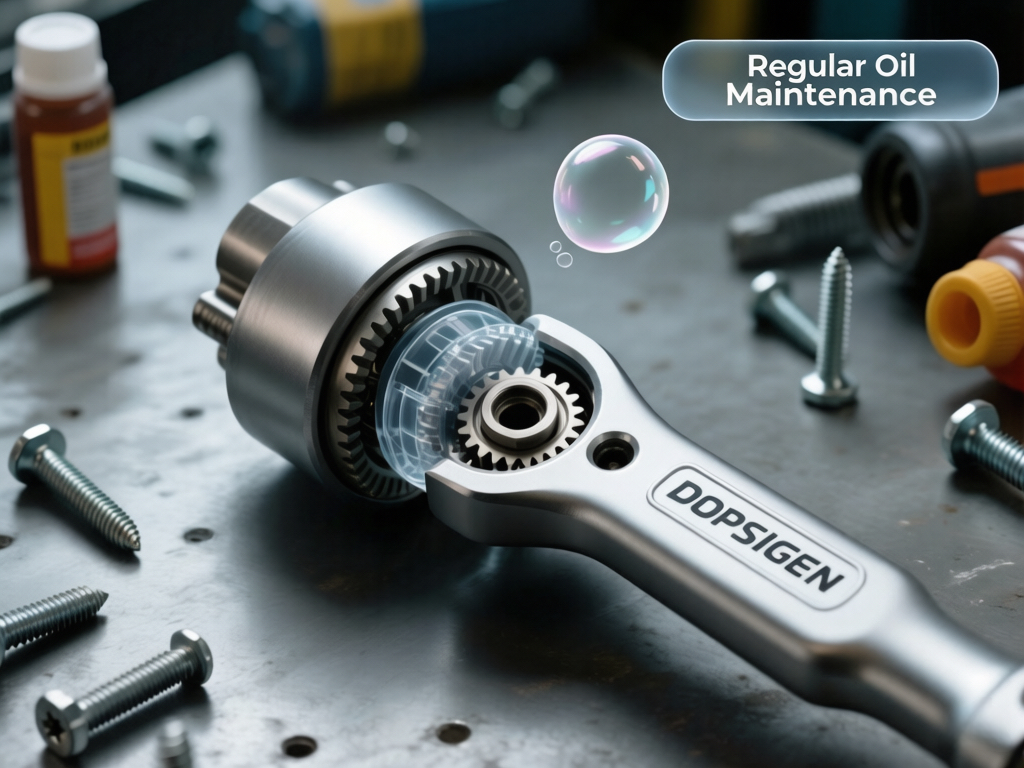
    2. Lubrication: Apply light tool oil to the ratchet mechanism
    3. Storage: Keep in a dry environment away from corrosive substances

    Safety Guidelines

    · Never use extension pipes beyond rated torque
    · Ensure sockets are fully engaged before applying force
    · Avoid hammering to increase torque

    Industry Trends and Innovations

    Technological Developments

    · Low-Profile Design: Thinner heads for increased clearance
    · Enhanced Tooth Technology: Smaller swing angles, higher strength
    · Smart Integration: Torque sensing, Bluetooth data transmission

    Sustainability Considerations

    · Eco-Friendly Materials: Renewable handle materials
    · Long-Life Design: Replaceable parts to reduce waste
    · Recycling Programs: Manufacturer take-back initiatives

    Professional Procurement Advice

    Bulk Purchasing Considerations

    · Tiered Procurement: Select different grades based on usage
    · Supplier Audits: ISO certification, quality assurance systems
    · Sample Testing: Real-world application testing

    OEM/ODM Collaboration Points

    · Custom Packaging: Tailored to target market requirements
    · Branding Options: Laser etching or heat stamping
    · Certification Compliance: CE, GS, ASME, and other international standards

    Conclusion: The 3/8″ Ratchet Wrench – An Indispensable Tool Partner

    Whether you’re a professional mechanic or an avid DIYer, the 3/8″ ratchet wrench offers exceptional versatility and reliability. Choosing and maintaining this tool correctly will significantly enhance your work efficiency and quality.

  • From beginners to automotive repair experts

    In the world of tools, there are always some products that stand out with their exceptional performance and quality, becoming reliable assistants for craftsmen. Today, we are introducing one such outstanding product in the tool industry—the 1/4″ metal handle ratchet wrench socket 16-piece set. Not only does it boast German quality, but it also comes with numerous practical features that make work easier.

    Bidirectional ratchet, effortless operation. A standout feature of this ratchet socket is its bidirectional ratchet design, enabling seamless switching between clockwise and counterclockwise rotation. In practical use, whether tightening screws or loosening nuts, there’s no need to frequently change tool orientation—simply flick it to switch directions. This design significantly enhances work efficiency, saving both time and effort.

    72 fine teeth with a 5° swing angle. The wrench’s gear is evenly divided into 72 teeth, each with only a 5° return angle. A mere 5° rotation achieves one complete ratcheting cycle. In environments with tightly spaced screws and extremely limited operating space, the advantage of minimal rotation becomes fully apparent. You can effortlessly maneuver in confined spaces to complete operations with precision, excelling in tight areas or tasks requiring high precision.

    Quick installation and removal, saving valuable time. The quick-install feature is another powerful aspect of this product. Its unique structural design allows the sleeve to be installed and removed quickly by pressing a button.

    Imagine being able to swiftly switch to the required sleeve size in a busy work environment without wasting time on difficult installation and removal processes. For example, during car repairs, when frequently changing between different-sized sleeves to remove and install various screws, the quick-install feature can save you significant time and greatly improve work efficiency.

    Quick attachment and detachment, saving valuable time. The quick-release feature is another powerful aspect of this product. Its unique structural design allows the socket to be quickly installed and removed with the press of a button.

    13 commonly used socket sizes provide comprehensive coverage. The 13 most common 1/4″ socket sizes range from 4-14mm, covering the most frequently used specifications in various work scenarios such as daily repairs and mechanical assembly. Whether it’s repairing small household appliances or assembling precision instruments, you can find the right socket in this set, truly achieving “one set in hand, work without worry.”

    Wrench and extension rods expand application boundaries. In addition to the rich socket configuration, the set also includes a ratchet wrench and two extension rods with lengths of 75mm and 150mm. The ratchet wrench is designed with ergonomic principles for a comfortable grip and effortless operation, while the two extension rods further expand the tool’s range of use, easily tackling various complex working environments.

    #1/4″ ratchet wrench and socket set#DOPSIGEN

  • From beginners to automotive repair experts

    It is a complex but systematic process, usually based on a comprehensive assessment of the following key factors. Here is a clear decision-making framework and practical suggestions:
    Phase One: Initial Screening Stage

    1. Clarify Requirements
    • Product Positioning: Clearly define the type of product to be purchased, technical standards, and quality grade (such as high-end custom, mid-range market, or low-cost bulk products).
    • Order Scale: Determine the purchase quantity (samples, small batch trial orders, or long-term bulk orders) to match the factory’s production capacity.
    • Compliance Requirements: Whether it needs to comply with specific international certifications (such as CE, FDA, RoHS), environmental standards, or social responsibility audits (such as BSCI, Sedex).
    1. Channel Search for Factories
    • Online Platforms:
    • B2B Platforms: Alibaba International, Made-in-China.com, Global Sources, etc. Pay attention to the factory’s certification marks (such as “Gold Supplier”), transaction records, and customer reviews.
    • Industry Exhibitions: Directly contact factories at exhibitions such as the Canton Fair and the Shanghai Import Expo, and observe the physical products.
    • Professional Intermediaries: Through procurement agents or third-party inspection companies (such as SGS, BV) to recommend audited factories.

    – Supply Chain Recommendations: Recommendations from peers or industry associations are more reliable.

    II. Core Evaluation Indicators

    1. Factory Qualifications and Strengths
    • Corporate Legality: Verify business license, production scope, and registered capital.
    • Production Equipment and Technology: Pay attention to the advancement of equipment (such as the degree of automation), the scale of the R&D team, and patented technologies.
    • Production Capacity and Delivery Time: Evaluate the number of production lines, monthly production capacity, and the schedule of existing orders to avoid overloading the factory with orders.
    • Quality Control System:
    • Whether it has passed quality management certifications such as ISO9001.
    • Whether it has an independent quality inspection team, laboratory, and inspection processes (such as incoming material inspection, process inspection, and final inspection).
    • Compliance and Social Responsibility:
    • Environmental compliance (such as wastewater treatment, environmental approval documents).
    • Labor rights (wages, working hours, safety conditions) to avoid potential legal risks.
    1. Reliability of Cooperation
    • Export Experience: Whether there is a record of exporting similar products to the target market (such as Europe, America, Japan, and South Korea), and understanding of relevant regulations.
    • Customer Cases: Request references of past cooperative brands (note confidentiality agreements) to verify its service capabilities.
    • Communication Skills: Whether key positions (sales, engineers) have English communication skills and respond promptly.
    • Financial Status: Assess stability through third-party reports or bank creditworthiness certificates to avoid production halts during cooperation.
    1. Cost and Terms
    • Price Transparency: Request a detailed quotation (including material costs, processing fees, packaging, taxes, and logistics).
    • Payment Method: The typical method is 30% deposit + 70% balance (upon presentation of a copy of the bill of lading), and new customers may need a letter of credit.

    – Intellectual Property Protection: Sign a non-disclosure agreement (NDA) to clarify the ownership of product designs.

    III. On-site Audit and Factory Inspection (Key Steps)

    1. On-site Inspection
    • Production Environment: Check the cleanliness of the workshop, the maintenance status of equipment, and the standardization of raw material storage.
    • Management Processes: Observe the degree of standardization of the production process (such as operation guidelines), and inventory management.
    • Employee Status: The proficiency of employees in operation, and the safety of the working environment (fire prevention facilities, protective equipment).
    • Sample Verification: Randomly select samples from the production line for on-site testing.
    1. Third-party Factory Audit
    • Entrust professional institutions (such as SGS, Intertek) to conduct factory audits, covering multiple dimensions such as quality, social responsibility, and anti-terrorism (C-TPAT).

    – For high-end brands, specific certifications (such as Disney FAMA, Walmart ES audit) may be required.

    IV. Trial Orders and Evaluation for Long-Term Cooperation

    1. Small-batch trial orders
    • Test the factory’s actual performance capabilities through the first batch of orders (quality consistency, on-time delivery rate, response speed to problems).
    • Focus on checking the firmness of packaging, accuracy of labels, and compliance of customs clearance documents.
    1. Considerations for long-term cooperation
    • Supply chain flexibility: The ability to coordinate in response to raw material price increases and production capacity fluctuations.
    • Willingness to continuously improve: Whether the factory is willing to optimize products based on feedback.

    – Potential for technological upgrading: The ability to keep up with product iteration requirements.

    V. Risk Mitigation Suggestions
    · Intellectual property risk: Avoid cooperating with factories with a history of copying and counterfeiting.
    · Legal risk: Clearly specify the dispute resolution method in the contract (such as choosing the China International Economic and Trade Arbitration Commission as the arbitration venue).
    · Supply chain risk: Diversify suppliers and avoid relying on a single factory.

    · Cultural differences: Understand Chinese business customs (such as relationship maintenance and the impact of holidays), and establish direct communication channels.

    Recommended Practical Tools
    · Factory background check: Use Tianyancha and Qichacha to verify the credit of enterprises.
    · Logistics collaboration: Select freight forwarders with export experience to assist in handling cross-border transportation.
    · Digital management: Adopt supply chain management software (such as Flexport) to track order processes.
    Through systematic assessment and phased cooperation, foreign purchasers can significantly reduce risks and find reliable and efficient partners in China. It is recommended to maintain open communication at all times and preserve the quality of cooperation through regular reviews.

    #DOPSIGEN#Ratchet wrench#Hardware tools

  • From beginners to automotive repair experts

    Our company mainly produces sleeve tool sets, auto repair, machine repair tool sets, screwdriver batch tool sets, and other hardware tools.The factory is located in Shaoxian District, Hangzhou City, Jiejieyang Province, founded in 2016.It covers an area of 2,158 square meters.
    Products are exported to more than 40 countries.It is exported to major supermarkets in Europe, America, Japan, and South Korea, Southeast Asia, and online e commerce at home and abroad.
    Is a research and development, production, sales as one of the hardware tools manufacturing enterprises.
    The company has 25 years of experience in customized services and has a professional design and development team constantly innovating, continuously improve the performance and quality of our products.
    Make sure to meet customer needs on average,15 in the 20 new products are launched every month.
    We have a fully automated injection molding production workshop with 30 CNC lathe,10 C&C milling machines, more than a dozen complete production lines.
    The daily output can reach 400,000.The timeliness of supply is guaranteed.The company has cross border certificates of qualifications from different countries and through the ISO 9001 quality management system, strictly implement international standards inspection process.
    Ensure that each product meets international standards and customer needs.The spot will be shipped in 48 hours.
    Customized models will be sampled in 7 days,30 days for bulk delivery.24 hour customer service online, timely response, meet expedited order requirements.
    My friend, we sincerely look forward to your cooperation!#DOPSIGEN

  • From beginners to automotive repair experts

    Ratchet wrenches may seem similar at first glance, but the differences between different models are significant. Choosing the wrong one can greatly affect the user experience. The main distinctions among ratchet wrenches lie in their sizes (commonly known as large, medium, and small), the number of teeth, and the power mode (manual vs. electric/pneumatic).

    1. Size differences (Large, Medium, and Small): Determine the applicable scenarios and torque
      This is the first classification to consider when purchasing a ratchet wrench set. Here, “inch” refers to the size of the square drive at the end of the wrench, which determines the size of the sockets that can be installed and the torque that can be applied.
    • 1/4 inch (approximately 6.3mm) – Commonly known as “Small”
    • Features: The smallest size, highly flexible.
    • Strengths: Fine work and narrow spaces. Suitable for repairing small screws in household appliances, computers, bicycles, etc.
    1. The difference in the number of teeth (24 teeth, 45 teeth, 72 teeth): It determines the ease of use and the degree of precision
      The number of teeth refers to the number of teeth on the ratchet of the wrench head, which determines the minimum rotation angle of the wrench. The smaller the space, the more teeth are needed.
    2. Differences in power modes: Manual vs. Electric/Pneumatic
    • Manual ratchet wrench: The most common type, driven by human power. Its advantages include a simple structure, durability, affordability, and portability, making it suitable for the majority of households and DIY scenarios.
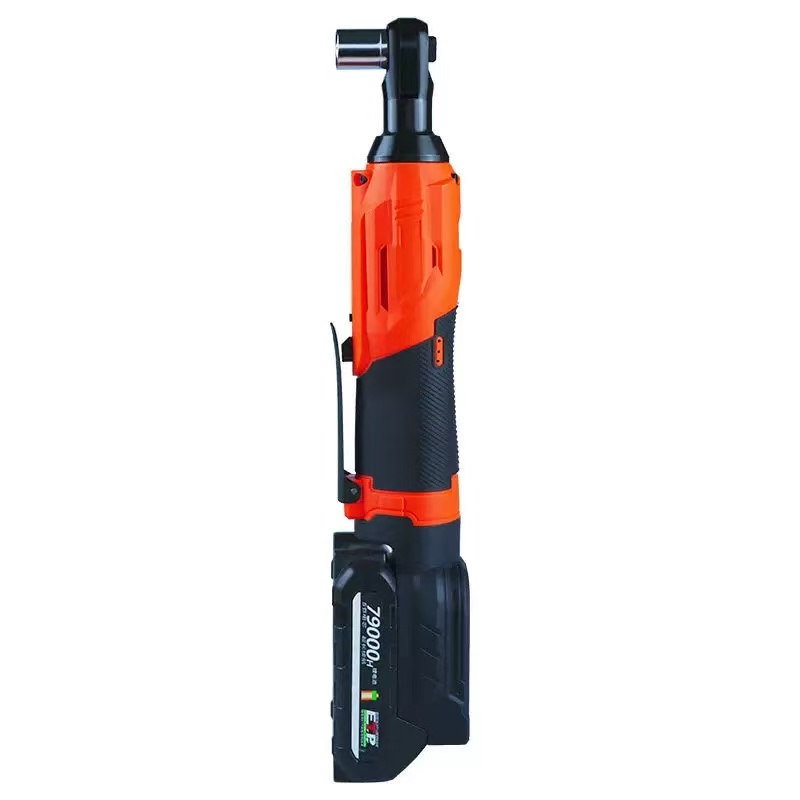
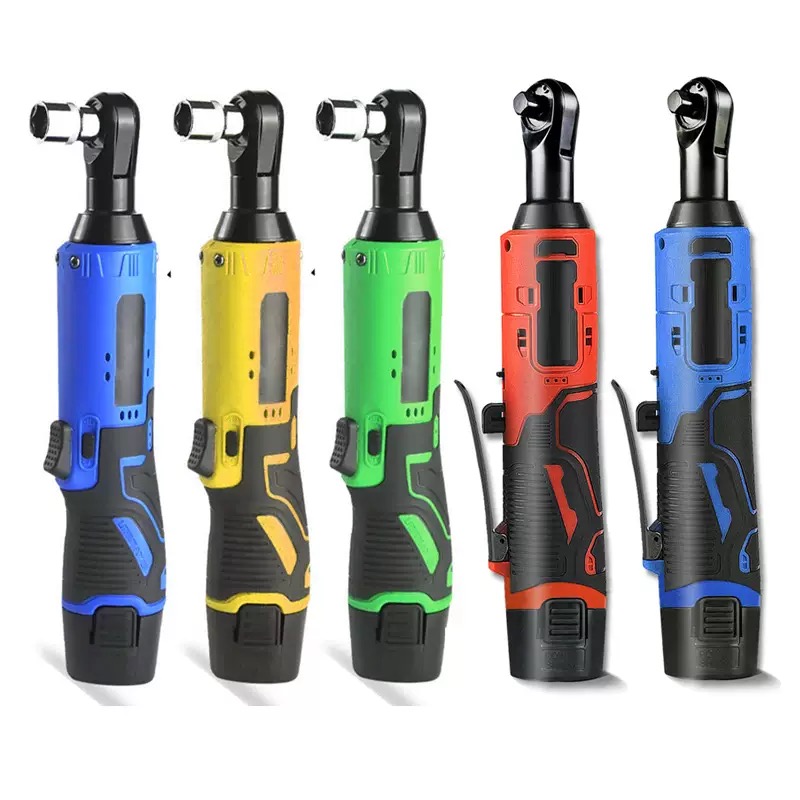
    • Electric/pneumatic ratchet wrench: Driven by batteries or compressed air. Its advantages are extremely high efficiency, time and labor-saving, and it is suitable for professional repair shops. Disadvantages include higher prices, the need for charging or an air source, and larger size and weight.
      Purchasing Suggestions
    1. For beginners in home DIY or car maintenance:
    • A set of “medium” (3/8-inch) manual ratchet wrenches is the best choice as it is the most versatile. If budget is a concern, you can add a set of “small” (1/4-inch) ones later for handling delicate tasks.
    1. For professional auto mechanics or serious enthusiasts:
    • “Large” (1/2-inch) wrenches are essential for high-torque jobs. Additionally, a “medium” wrench with a high number of teeth (such as 72) can greatly enhance efficiency when disassembling and assembling complex components.
    1. For professionals seeking ultimate efficiency:
    • Consider investing in an electric or pneumatic ratchet wrench, which can multiply the efficiency of repetitive tasks several times over.
      Summary: “Zhongfei” is a multi-purpose tool, “Xiaofei” is for detailed work, and “Dafei” is for heavy-duty tasks; the narrower the space, the more teeth should be chosen. For daily use, starting with “Zhongfei” is the safest bet.#Automotive repair ratchet wrench#DOPSIGEN
  • From beginners to automotive repair experts

    A Complete Guide to Choosing the Right Ratchet Wrench

    The ratchet wrench, a seemingly simple tool, is the cornerstone of every auto technician’s and car enthusiast’s toolbox. Its ingenious unidirectional drive mechanism allows for efficient tightening and loosening of bolts and nuts in tight spaces without repeatedly removing and repositioning the tool, significantly boosting productivity. Faced with a dazzling array of brands, models, and specifications on the market, how do you choose a ratchet wrench that is truly ergonomic, durable, and right for you? This article will systematically break down the key factors to help you make an informed decision.

    Part 1: Decoding the Core Specifications – Speaking the Tool’s Language

    Before purchasing, it’s essential to understand several key parameters; they are the foundation for judging a ratchet wrench’s performance.

    · 1. Size & Drive Head: Matching the World of Bolts
    · Drive Size: Refers to the square drive size of the wrench, commonly 1/4″, 3/8″, and 1/2″. This determines the range of sockets it can accept.
    · 1/4″ Drive: Precise and compact. Ideal for electronics, interior trim, small motorcycles, or small fasteners on cars (typically under 10mm).
    · 3/8″ Drive: The universal workhorse for automotive repair. Offers the best balance of strength and flexibility. Extremely versatile, suitable for everything from filters and spark plugs to chassis components and some lug nuts. The first choice and a must-have for most users.
    · 1/2″ Drive: Designed for high torque. Used for lug nuts, large suspension components, exhaust clamps, and other high-torque applications.
    · Wrench Length: Length is proportional to torque. Short wrenches are for confined spaces; long wrenches provide greater leverage for breaking loose stubborn, rusted fasteners. Many brands offer long or flex-head options for specific scenarios.
    · 2. Tooth Count: The Key to Flexibility
    The tooth count determines the wrench’s minimum swing arc (Arc = 360° ÷ Tooth Count). A higher tooth count allows for a smaller swing in restricted spaces, making operation more convenient.
    · Low Tooth Count (e.g., 72 teeth): 5° arc per tooth. Extremely strong and impact-resistant, suitable for heavy-duty applications.
    · High Tooth Count (e.g., 90, 120 teeth or higher): Arc can be 3° or less per tooth, offering unparalleled flexibility. The preferred choice for modern auto repair, especially in engine bay work. Note: Higher tooth gears are more precise and demand superior materials and heat treatment. Choose reliable brands.
    · 3. Material & Manufacturing: The Foundation of Durability
    · Material: High-end ratchet wrenches typically use Chromium-Vanadium Steel (Cr-V) or Chromium-Molybdenum Steel (Cr-Mo). Chrome-molybdenum steel offers better toughness and superior resistance to impact fatigue, common in professional-grade tools.
    · Manufacturing: Heat treatment is crucial for achieving the perfect balance between hardness and toughness in the steel. The finish (e.g., chrome plating, black oxide) affects corrosion resistance and wear.
    · 4. Design Details: Enhancing the Experience
    · Selector Lever: Should operate smoothly and positively, allowing quick direction changes. A broad or textured lever is easier to use with gloves.
    · Head Thickness: A low-profile/slim head can access tighter spaces.
    · Handle Design: An ergonomic handle (e.g., dual-material grip, anti-slip texture) reduces fatigue during prolonged use and provides better grip.
    · Quick-Release Button: Allows for one-handed socket removal, boosting efficiency during tasks requiring frequent socket changes.

    Part 2: Scenario-Based Selection Guide: Finding Your “Perfect Partner”

    Your primary role and work context determine the focus:

    · Home User / DIY Enthusiast:
    · Focus: Value for money, versatility.
    · Recommendation: A 3/8″ drive, 72-90 tooth ratchet and socket set (including common sockets and extensions) is sufficient for most basic vehicle maintenance (tire changes, filter replacement, simple disassembly). A reputable mid-range brand is a good choice.
    · Professional Auto Technician / Workshop:
    · Focus: Efficiency, reliability, professionalism, tool system.
    · Recommendation:
    1. Primary Tool: 3/8″ drive, high tooth count (90+ teeth) ratchet. Consider having both long and short handles for different spaces.
    2. Heavy-Duty Assistant: A 1/2″ drive ratchet or torque wrench for high-torque jobs like lug nuts and suspension work.
    3. Precision Partner: A 1/4″ drive precision set for interior trim, sensors, etc.
    4. Brand Consideration: Invest in professional/industrial grade brands (e.g., Snap-on, Matco, Mac Tools, or top industrial brands like Hazet, Stahlwille, and high-quality professional brands like GearWrench). They offer superior feel, durability, and warranty/service.
    · Motorcycle / Bicycle Repair:
    · Focus: Compact size, precision.
    · Recommendation: A 1/4″ drive set is core, supplemented by 3/8″ drive for slightly larger fasteners. High tooth count is beneficial for compact engine and frame spaces.

    Part 3: Brand & Value Considerations

    Market brands can be roughly categorized:

    · Top Professional/Industrial Grade: Peak precision, durability, feel, and price. The choice for professionals where efficiency is paramount.
    · High-End Professional Grade: Excellent balance of performance, durability, and price. A top choice for many technicians and serious enthusiasts.
    · Quality Mid-Range/DIY Grade: Reliable performance and great value, meeting all needs for most home and DIY users.
    · Economy/Entry-Level: Highly attractive price, but materials, workmanship, and longevity are often compromised. Suitable for very infrequent use or severely limited budgets.

    Advice: Choose the highest quality tool your budget allows. “Buying right once” is often more economical and enjoyable than repeatedly buying inferior tools.

    Part 4: Usage & Maintenance Tips

    1. Don’t Use as a Hammer: Never use a ratchet wrench for striking!
    2. Don’t Extend the Handle: Avoid using a pipe over the handle for extra leverage, as this can easily damage the ratchet mechanism. Use a larger tool or a proper torque wrench for high-torque applications.
    3. Clean Regularly: Wipe off grease and dirt after use, especially around the ratchet head.
    4. Lubricate Periodically: A few drops of dedicated ratchet lubricant or light oil can be added to some models to keep the mechanism smooth.
    5. Use the Right Accessories: Employ correctly sized and typed sockets, universal joints, and extensions to form a systematic solution.

    Conclusion

    Choosing the right ratchet wrench is the beginning of a synergy between skill and tool. It’s not just an extension of your hand but a reflection of thought and experience. By understanding the principles, clarifying your needs, and paying attention to details, you can find that reliable partner from the vast array of products—one that will accompany you with confidence and precision as you navigate the mechanical world.

    Explore our carefully curated selection of ratchet wrench sets and professional tools. From beginner to expert, we have the perfect tool to meet all your demands for quality, efficiency, and value.