
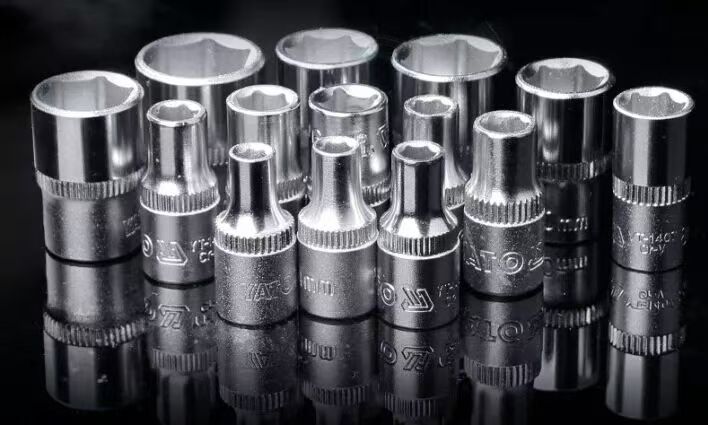
When configuring socket set assortments for international distribution, one size definitely does not fit all. Offering the wrong sizing standard in a regional market can result in dead stock on retailer shelves, whereas missing a preferred standard means lost B2B sales opportunities.
The divide between Metric (Millimeters) and SAE (Society of Automotive Engineers / Imperial Inches) measurement standards remains a defining factor in global hand tool procurement.
Here is an analysis of regional market preferences, industry-specific demands, and inventory strategies to help tool distributors maximize sales velocity.
1. Global Regional Demand Breakdown
Understanding where each measurement standard dominates allows importers to optimize inventory purchasing based on destination port and target customer base.
| Region / Market | Primary Standard | Secondary / Growing Demand | Key Market Drivers |
| Europe & Asia-Pacific | Metric (100%) | Rare (Niche US Imports) | Entirely standardized on ISO metric fasteners across automotive, industrial, and consumer goods. |
| Latin America & Middle East | Metric (80–90%) | SAE (10–20%) | Heavily metric due to European and Japanese automotive imports; SAE retained for oil/gas and heavy machinery. |
| North America (USA) | Dual / SAE (50/50) | Metric (Rapid Growth) | Domestic classic cars, construction, and aviation use SAE; modern domestic automotive and foreign vehicles are metric. |
| Canada & Mexico | Dual (60% Metric) | SAE (40%) | Integrated North American supply chain (USMCA) requires mechanics to maintain both tool types. |
2. Industry-Specific Tool Preferences
Even within a single geographic market, different industries rely on specific measurement systems:
                       ┌──────────────────────────────────────────┐
                       │           Target Industry Group          │
                       └────────────────────┬─────────────────────┘
                                            │
               ┌────────────────────────────┴────────────────────────────┐
               ▼                                                         ▼
  ┌─────────────────────────┐                               ┌─────────────────────────┐
  │   Metric Heavy (90%+)   │                               │    SAE Heavy (60%+)     │
  ├─────────────────────────┤                               ├─────────────────────────┤
  │ • Import & Domestic Auto│                               │ • Aviation & Aerospace  │
  │ • Consumer Electronics  │                               │ • Oil, Gas & Pipelines  │
  │ • Heavy Mining Equipment│                               │ • Classic US Auto Repair│
  │ • Wind & Renewable Energy│                              │ • Residential Building  │
  └─────────────────────────┘                               └─────────────────────────┘
- Automotive Aftermarket: Almost all modern passenger vehicles and commercial trucks built after 2000 rely almost exclusively on metric fasteners—even American brands like Ford and GM. Metric socket sizes like 10mm, 12mm, 13mm, 14mm, and 17mm are the highest-turnover SKUs globally.
- Aviation & Aerospace: Boeing and North American general aviation fleets continue to rely heavily on Imperial/SAE fasteners, making fractional sizes (1/4″, 3/8″, 1/2″, 9/16″) essential for specialized aerospace MRO suppliers.
- Energy, Oil & Gas: High-pressure pipe flanges and structural steel bolts in North American energy sectors still conform to SAE heavy hex standards.
3. Smart Inventory Configurations for Importers
To minimize stockouts while avoiding obsolete inventory, consider these three product packaging strategies:
Strategy A: The Dual-Marked / Master Combination Kit (Best for US & Canada)
Rather than making buyers purchase two separate cases, offer Dual Metric/SAE Combination Sets (e.g., a 42-piece set containing 21 Metric and 21 SAE sockets). High-visibility dual stamped or laser-etched sizes allow technicians to switch quickly between vehicle types.
Strategy B: Regionalized Single-Standard Sets (Best for Europe & Global Export)
When exporting to European or Asian markets, exclude SAE sockets completely. Packing SAE tools into European-bound kits increases shipping weight and manufacturing costs without adding utility for the end user.
Strategy C: Color-Coded & Laser-Engraved Identification
Help technicians distinguish between standards at a glance:
- Blue Ring / Anodized Band: Industry convention for Metric sockets.
- Red Ring / Anodized Band: Industry convention for SAE sockets.
Procurement Tip: Never mix up socket profile standards during manufacturing. Metric sockets generally use 6-point or 12-point metric broaching, whereas SAE sockets require exact inch-fraction broaching. Using an approximate metric socket on an SAE bolt (e.g., using a 13mm socket on a 1/2″ / 12.7mm bolt head) will strip the fastener head under high torque.
Leave a Reply